
The Truth About Sugar: Part 1
After posting the Snack Attack article a few weeks ago, there has been a great deal of interest in what Nutritional Therapist Caren Richards wrote about snacking and healthy alternatives; so we spoke again, this time about one of the biggest hidden toxins in our diet and something that can be as addictive as cocaine - sugar!
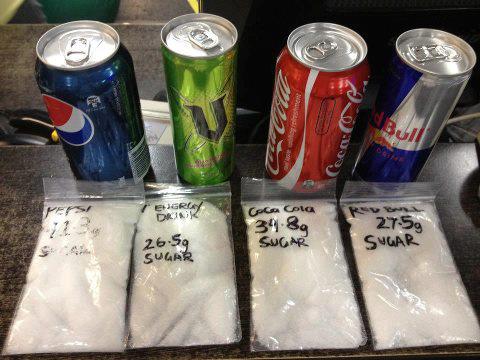
The negative effects that sugar can have on our health have been prolific in the media over the past few months. Here is a quick reminder of why we shouldn’t eat too many sweet foods:-
- Sugar is an empty calorie, it doesn’t contain any vitamins or minerals and has no nutritional value
- Sugar can induce weight gain
- High blood sugar decreases the immune system's ability to fight bacterial infections.
- Sugar can cause tooth decay
- Too much sugar causes a blood glucose spike followed by a crash and a then a desire for more sugar – a sugar craving cycle
- The sugar craving cycle can lead to anxiety, fatigue, irritability and mood swings
- Sugar can increase reactive oxygen species (ROS), which can damage cells and tissues
- Sugar can interfere with the absorption of minerals and cause some nutrients to be lost
- Sugar can make our skin age by changing the structure of collagen
When we eat sugar, it increases the levels of our feel good hormones such as serotonin and dopamine, so not only does it taste good but it makes us feel good too. The problem is that we end up needing more and more sugar to give us the same intensity of sugar ‘high’ and if we try to cut out the sugar foods can initially taste bland and uninteresting. It is these facts together with clinical trials that have led some scientists to conclude that sugar is addictive; some suggest that it is more addictive than cocaine!
All of this is great news for the food industry, the more sugar we eat the more we want and so they have been slowly increasing the sugar content of processed foods. Certain foods are very obviously going to be full of sugar, for example, a MacDonald’s Strawberry milkshake has 62g (about 15.5 tea spoons) of sugar. However, what about the every day foods that we eat or foods that are marketed as ‘healthy’?
I saw a patient a few months ago who was struggling with his weight and had an energy slump in the afternoon, he told me his diet was generally very good. He started each day with a large glass of orange juice and a bowl of luxury muesli, his only weakness was a skinny latte and a ‘skinny lemon muffin’ mid morning.
Here is his morning sugar intake:-
Breakfast:
- Tropicana Orange Juice (250ml) – sugar content 25g
- Jordan’s Country Crisp (50g serving) – sugar content 16g
- Skimmed Milk (135ml) – sugar content 6.75g
Mid Morning Snack:
- Starbucks Grande Latte (skimmed milk) – sugar content 17.5g
- Starbucks Skinny Blueberry Muffin (129g) – sugar content 33.41g
Total sugar before lunch: 98.66g
This man was consuming almost 100g of sugar before 11.30am every day but thought that his diet was healthy!
How much sugar are you eating?
Keep an eye out for The Truth About Sugar: Part 2 where Caren will tell us how to avoid the sugar trap and give some alternatives to sugar. For more information on diet and nutrition contact Caren via her website or email her at This email address is being protected from spambots. You need JavaScript enabled to view it.