
.......and sleep!
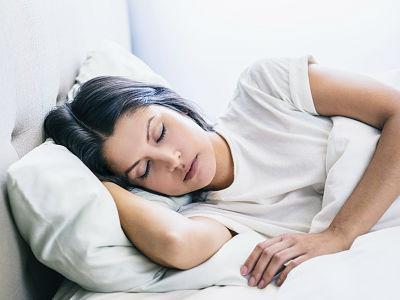
Todays blog post is from coach Henry, who's talking about something we all love and something we'd all like more of..........yes, sleep!
Most of what we know about sleep has only been discovered in the last 25 years and it’s an area of study which continues to excite scientists. The average humanbeing will sleep for a third of their lives – that’s a whopping 25 years given an average life expectancy. Most healthy adults require 7-9 hours of shut eye per night, but this varies significantly between individuals. Whilst the quantity of sleep is important, the quality is also crucial (just like your training). There are 6 recognised sleeping positions, with 41% of Brits adopting the foetal position. Others include (and you can exercise your imagination as to what each looks like): the starfish, log, yearner, soldier and free-faller.
For athletes, sleep should be considered one of the cornerstones of the recovery process, alongside diet. Here are some of the benefits:
- Boosts your immune system and wards off diseases
- Enhances mental wellbeing and keeps us alert
- Slow wave (or deep sleep) is said to be the driving force behind human growth hormone (HGH) – secreted by the pituitary gland – HGH is associated with tissue repair
- Sleep increases fertility and sex drive
- It lowers stress levels and the inflammation response in the body
- Improves our memories and helps us live longer
Of all mammals, human beings are the only species to willingly delay sleep. It’s no surprise that 1 in 3 adults are sleep deprived in some way. In the short term (a few nights) the body can cope with this, but chronic sleep deprivation can seriously damage your health:
- Inadequate sleep can have serious effects on the body’s ability to metabolise glucose – a problem if you’re a ‘normal’ human, but even more pertinent if you endure high physical activity levels
- Increase your risk of injury and accidents – not good if you’re on a bike travelling at 20mph
- Make you more prone to serious medical conditions, such as obesity, heart disease, high blood pressure and diabetes.
- In fact, just read the benefits back, but use words like damages, decreases, and limits.
Given the many benefits of sleep, how can we improve our sleeping habits?
- Try and keep the same bedtimes and waking times all through the week. This develops strong circadian rhythms and conditions your body to ‘expect’ sleep. Our bodies like routine.
- Avoid alcohol – it might feel like it’s knocking you out, but it leads to poor quality sleep
- Limit caffeine after midday – or altogether if you’re caffeine sensitive
- Perform a mental shutdown an hour before bed – limit stress, don’t be tempted to open emails, power-down devices (including your smartphone)
- Block out all light in your bedroom
- Make sure your bed is comfortable – you’ve probably spent money on a bike fit, now pay a little attention to your mattress, pillows and bedding
- Regular exercise…possibly not a problem if you’re reading this, but avoid anything too taxing late at night – those 8pm running intervals might seem like a good idea at the time, but not when you’re still wired at 3am.
- Eat a light meal as your last meal, and avoid anything sugary
If you still can’t sleep, and it’s a regular problem, consult your GP.
Endurance athletes are quick to rack up the miles, the early morning swim sets, the time in the saddle and the long weekend sessions but it’s important to remember that recovery is part of the process! Whether we’re in it for the sprint, the Olympic or the long course, we’re all human beings and we can’t escape our biology. Respect your body’s recovery by reviewing your sleep patterns, finding areas to improve. Take on some of the pointers above (if you’re reading this in bed on your phone at 10pm, it’s time to power-down).
There’s a lot of information here. I suggest you sleep on it.