Post-race analysis........do it!
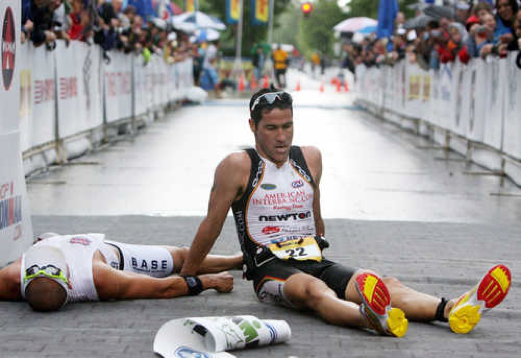
We are quickly moving into events season now, with runs, duathlons and triathlons aplenty. It’s an exciting time of year for both athletes and coaches. This is where the hard work starts to pay off: all those hours on the turbo, eating the right food, setting the alarm for the early mornings and sacrificing social engagements.
The build up to your event is an important time, and will usually involve a taper of some kind, kit preparation and race-day planning….whilst at the same time trying to remain calm as the big day approaches.
It’s important to embrace this part of training, and whilst you may feel a little lazy, or bored during your taper, before you know it, the event will be underway, with adrenaline pumping and hopefully a successful race experience.
Then what?
Multi-discipline events offer us a wide array of timing splits to dissect and analyse. Human nature drives us to measure ourselves against something – it might be the clock, our peers, or our own past achievements. Either way, there is plenty to consider after your race, and it’s important to record it whilst it’s still fresh in your mind.
Consider the following:
- Times and splits: the most obvious stats to record – and readily available from the event website. Compare your times year on year, or against your fellow competitors.
- Placings in relation to age-group: another great way to compare yourself to the opposition – look out for “Category position” in the race results
- Placings for each discipline: look at your times a little closer – where were you strongest, where were you weakest? Which areas obviously need work?
- Kit used: bikes, wheels, clothing, shoes, tools, bottles, chamois cream…if you used it, record it. After a few outings you’ll get to know what works best for you.
- Weather conditions: really important to record this, especially in the UK where we have such fluctuations and unpredictable weather patterns. Weather will directly affect your clothing and kit choices, how long you warm up for and how you perform out on course.
- Route notes: especially important if you plan on doing the event again – “race and learn”, think about which elements of the course you were prepared for, which you maybe weren’t.
- Tapering: if there was a text-book taper that always worked, then we’d all be doing exactly the same thing. The truth is you only find out by trying and recording what you do – even then it isn’t necessarily guaranteed to work again. However, you can certainly record what you did and how you felt on race day and refine your own personal taper routine. A good taper will leave you feeling ‘light’, energised, clear-headed and super-fresh. If you come up with the perfect taper, let me know!
- Race strategy: how did your actual experience compare to your planned strategy? Did you go off too fast? Maybe you ended a little too fresh. How was your pacing for each discipline?
- Body weight on the day: we all know how important power to weight ratio is, so always record your race-day weight.
- Stress/fatigue levels on the day: make a note of any outside influences or underlying issues. Anything that affects you will affect your athletic performance.
- Nutrition before and during your event: this is super-important, and after a few events you should be comfortable knowing what suits your system best. Again, what works for one person isn’t necessarily gospel – develop your own fuelling/hydration plan.
- Post-race state: were you shattered, or did you have more in the tank? Are any muscles particularly sore? This is a really important area to consider as these can be worked on in training.
- Anything else that went particularly well.
- Things you’d like to do better next time!
Having a think about the above and making detailed notes is not only useful further down the line, it can help shape your training in subsequent weeks. The process often exposes weaknesses too – this isn’t a negative, in fact it’s the opposite – these should be your new target areas. Turn weakness into strength and your performance will sky rocket.
Finally (and importantly for domestic harmony), making the above notes is your own personal way of staying in the race-day mind-set a little longer without boring your loved ones even more about how you knocked 10 seconds off your time by wearing different socks.
Happy recovery!